Product Center
Explore our comprehensive range of premium steel pipes, tubes, and fittings for industrial and construction applications.
NEWS CENTER
Introduce
Description
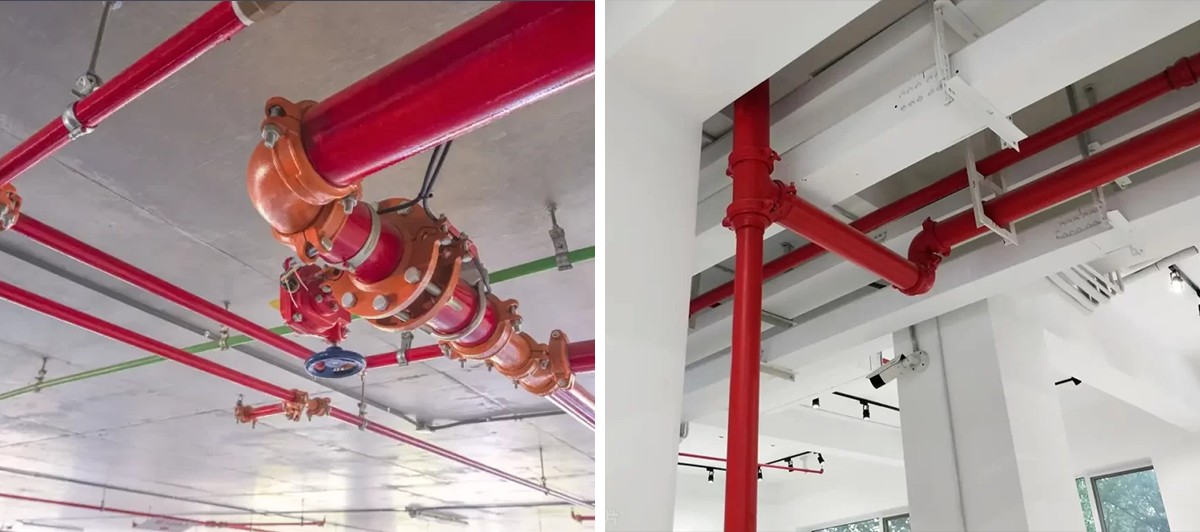
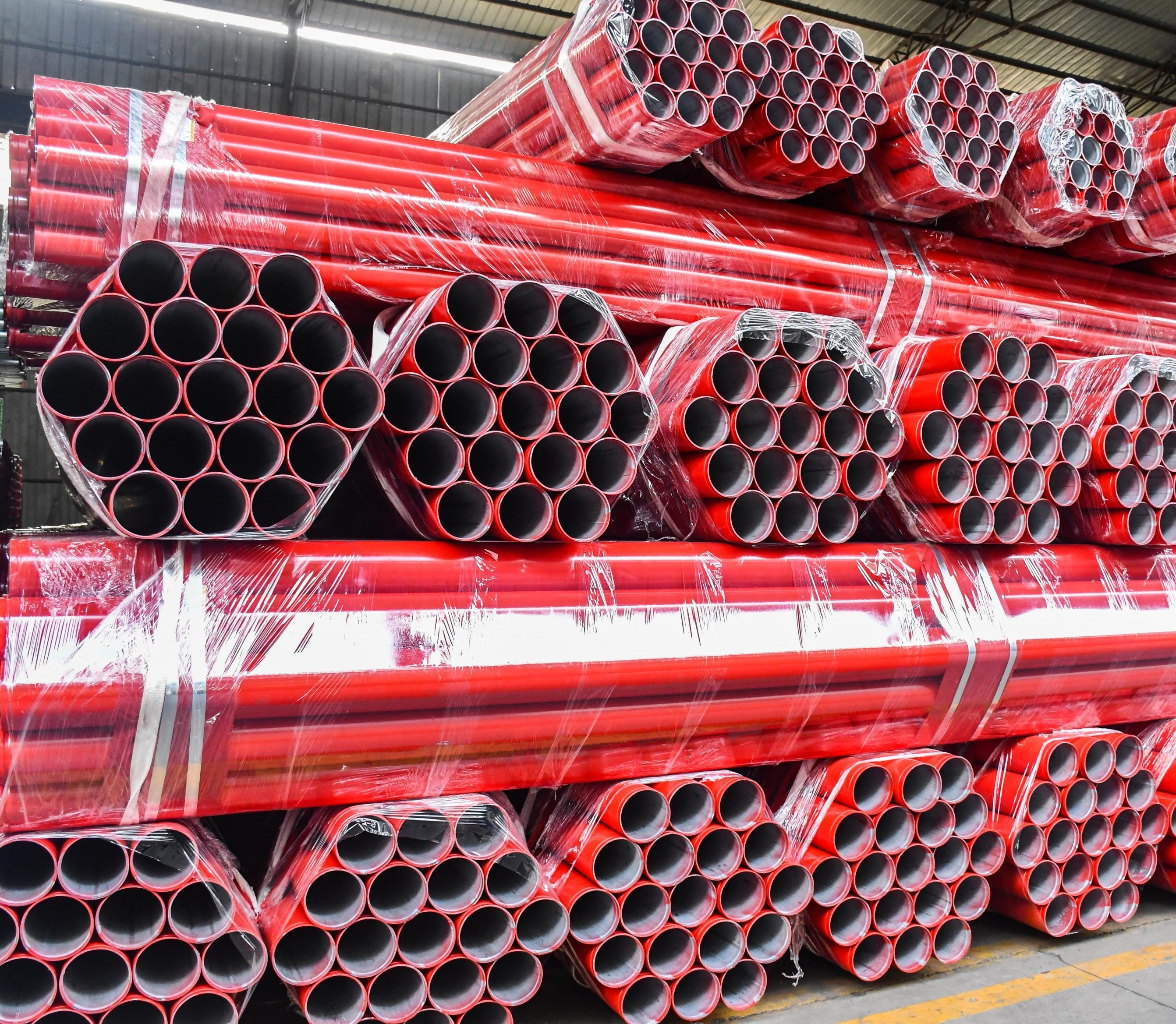
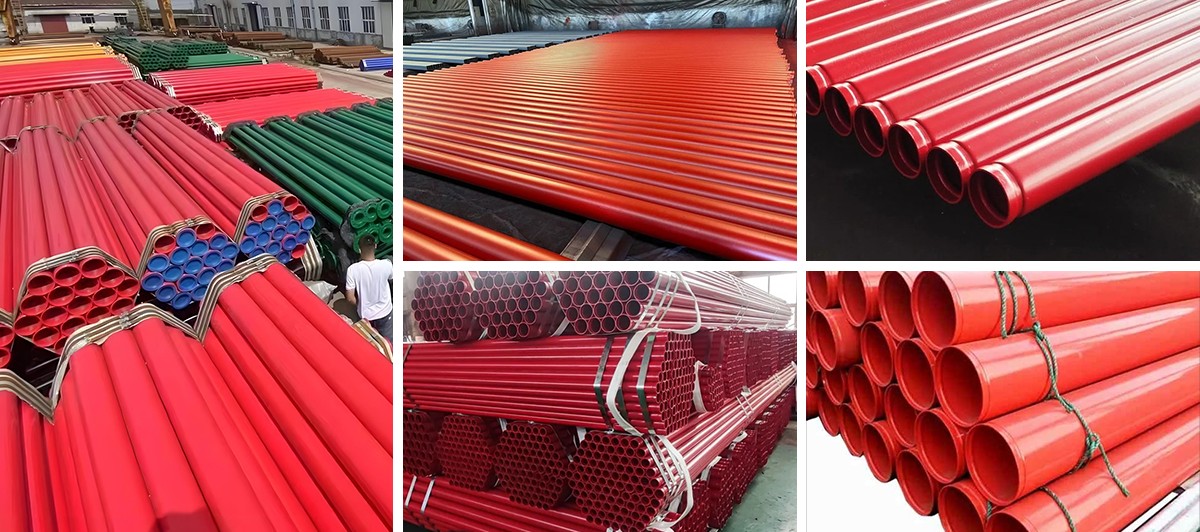
Galvanized steel fire sprinkler pipes, often referred to as GI (Galvanized Iron) fire pipes, are carbon steel pipes coated with a zinc layer to enhance corrosion resistance, designed specifically for fire protection systems like wet, dry, preaction, and deluge sprinkler systems. ASTM A795, a key standard for these pipes, specifies both black and hot-dip galvanized welded (ERW) and seamless steel pipes for fire fighting applications, available in Grades A and B, with Grade B being more common due to its mandatory post-weld heat treatment (minimum 1000°F or 540°C). The galvanization process involves dipping the steel pipe in molten zinc, creating a protective coating of at least 1.5 oz/ft² (0.46 kg/m²), which shields the pipe from rust in moist environments, per ASTM A795 requirements.
Galvanized steel pipe is a welded steel pipe with a hot-dip or electroplated zinc coating on the surface. Galvanizing can increase the corrosion resistance of the steel pipe and extend its service life. Galvanized pipe has a wide range of uses. In addition to being used for pipes for general low-pressure fluids such as water, gas, and oil, it is also used as a pipe in the petroleum industry, especially in offshore oil fields, oil well pipes, oil pipelines, chemical coking equipment, oil heaters, condensate coolers, coal distillation oil exchanger pipes, and pier piles, mine pits, support frames and other pipes. Thickness, width, length, OD, standard, material, etc. can all be customized.
The composition of GI fire pipes includes carbon (max 0.25% for Grade B), manganese, phosphorus, sulfur, and silicon, ensuring strength and durability. The ERW manufacturing process starts with high-quality steel strips, cold-formed into a cylindrical shape, and welded using high-frequency electric resistance heating. The weld seam is heat-treated to eliminate brittle martensite, ensuring ductility, and the internal weld flash is removed for smooth water flow. Pipes range from NPS ½ inch to 10 inches, with wall thicknesses in Schedule 10, 30, and 40, balancing strength and weight. For example, a 4-inch NPS Schedule 10 pipe has a wall thickness of 0.120 inches, suitable for low-pressure sprinkler branches, while Schedule 40 (0.237 inches) handles high-pressure fire mains.
Quality assurance is rigorous. ASTM A795 mandates hydrostatic testing (up to 1000 psi based on size), nondestructive electric testing (NDT) like eddy current to detect weld flaws, and flattening tests to verify weld soundness.
Product Picture
Product Application